Description
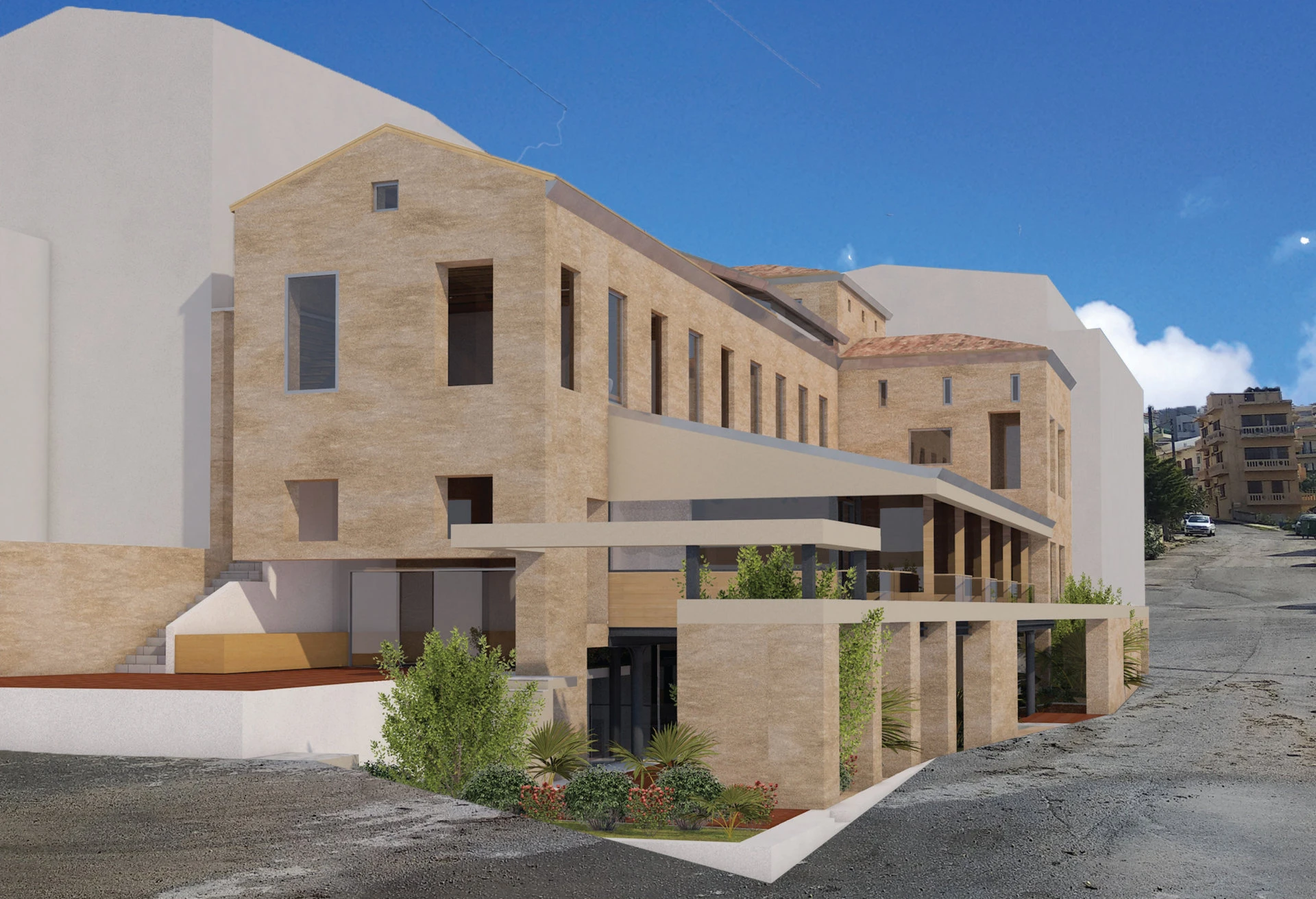
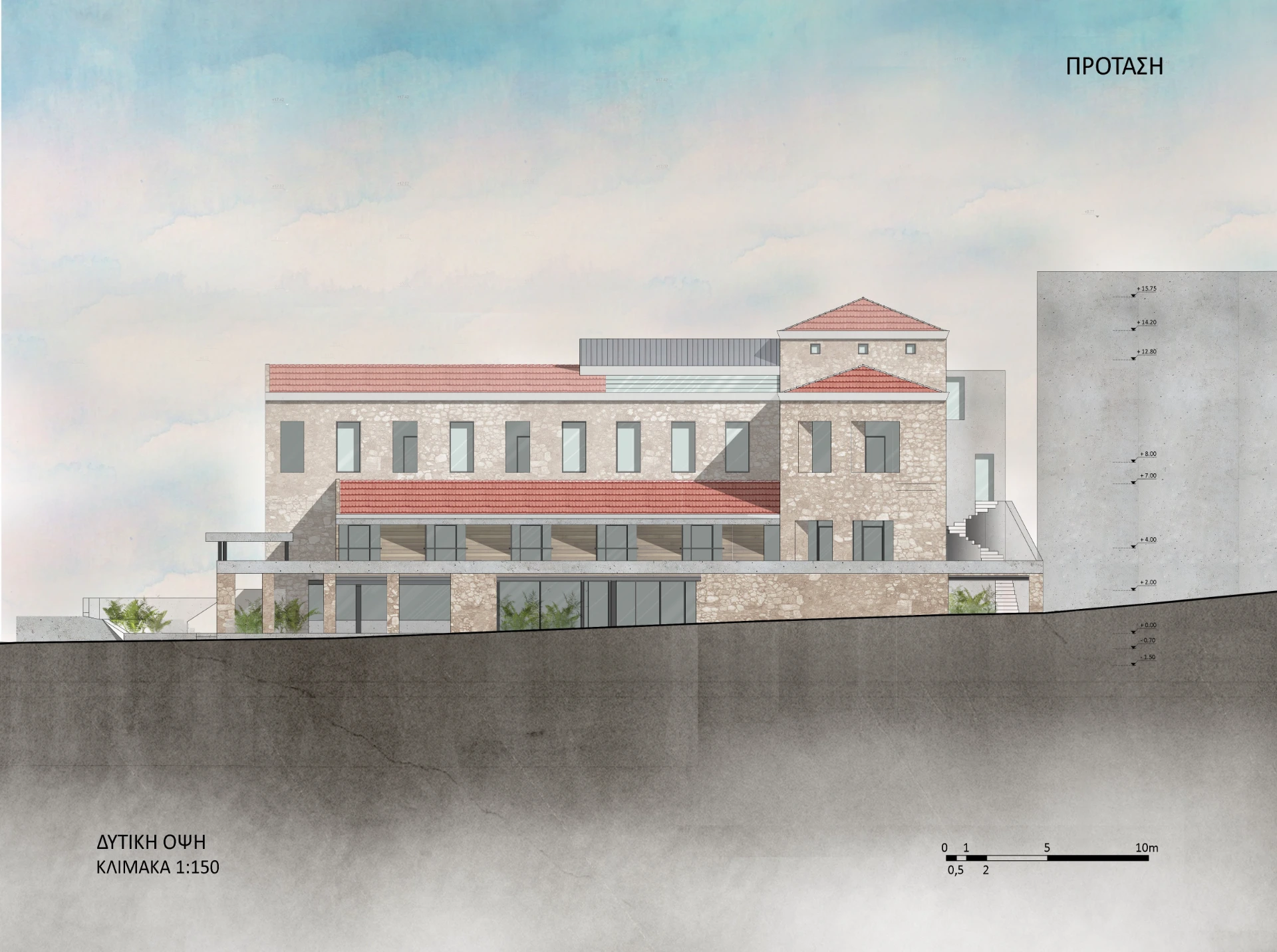
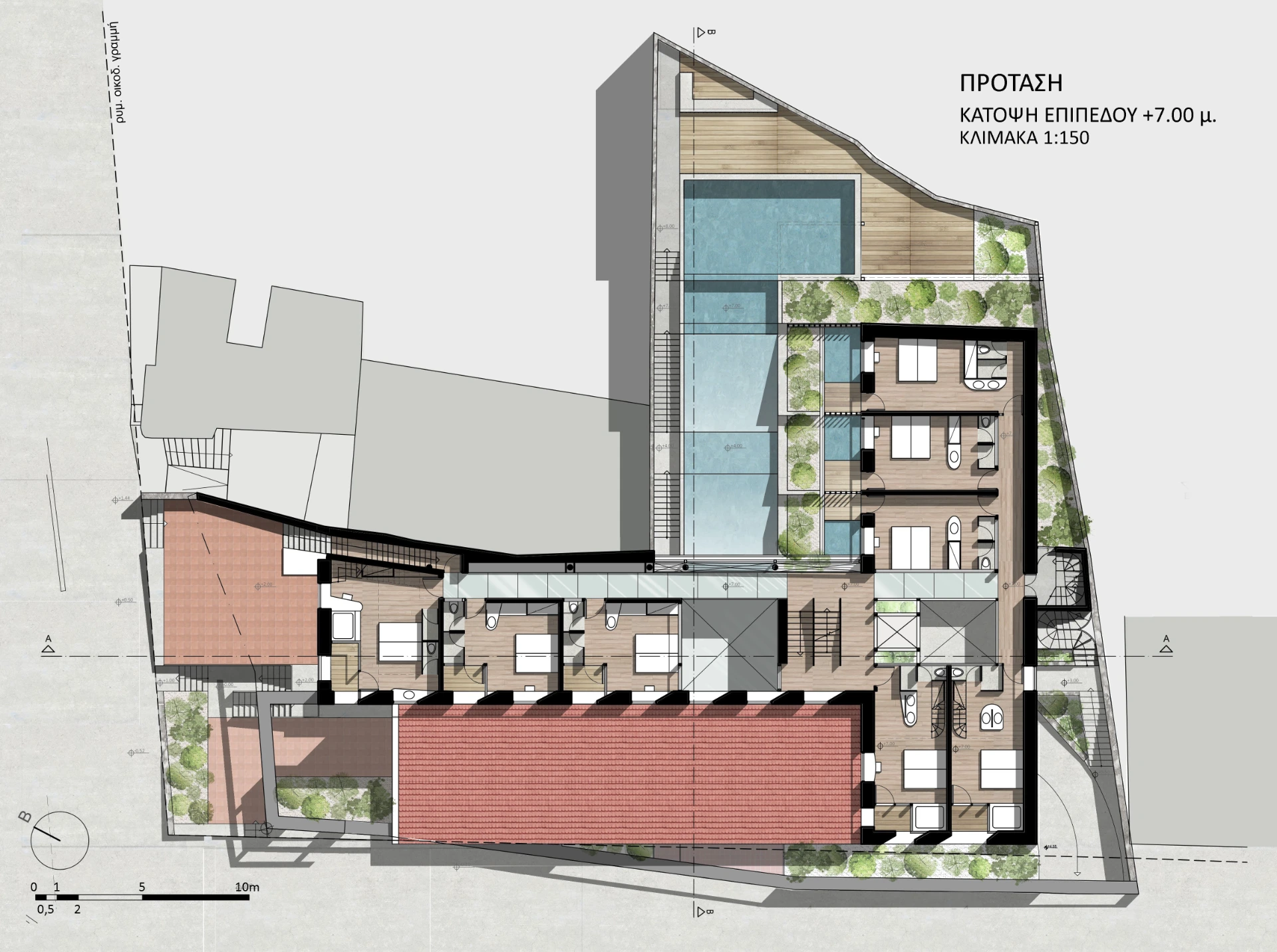
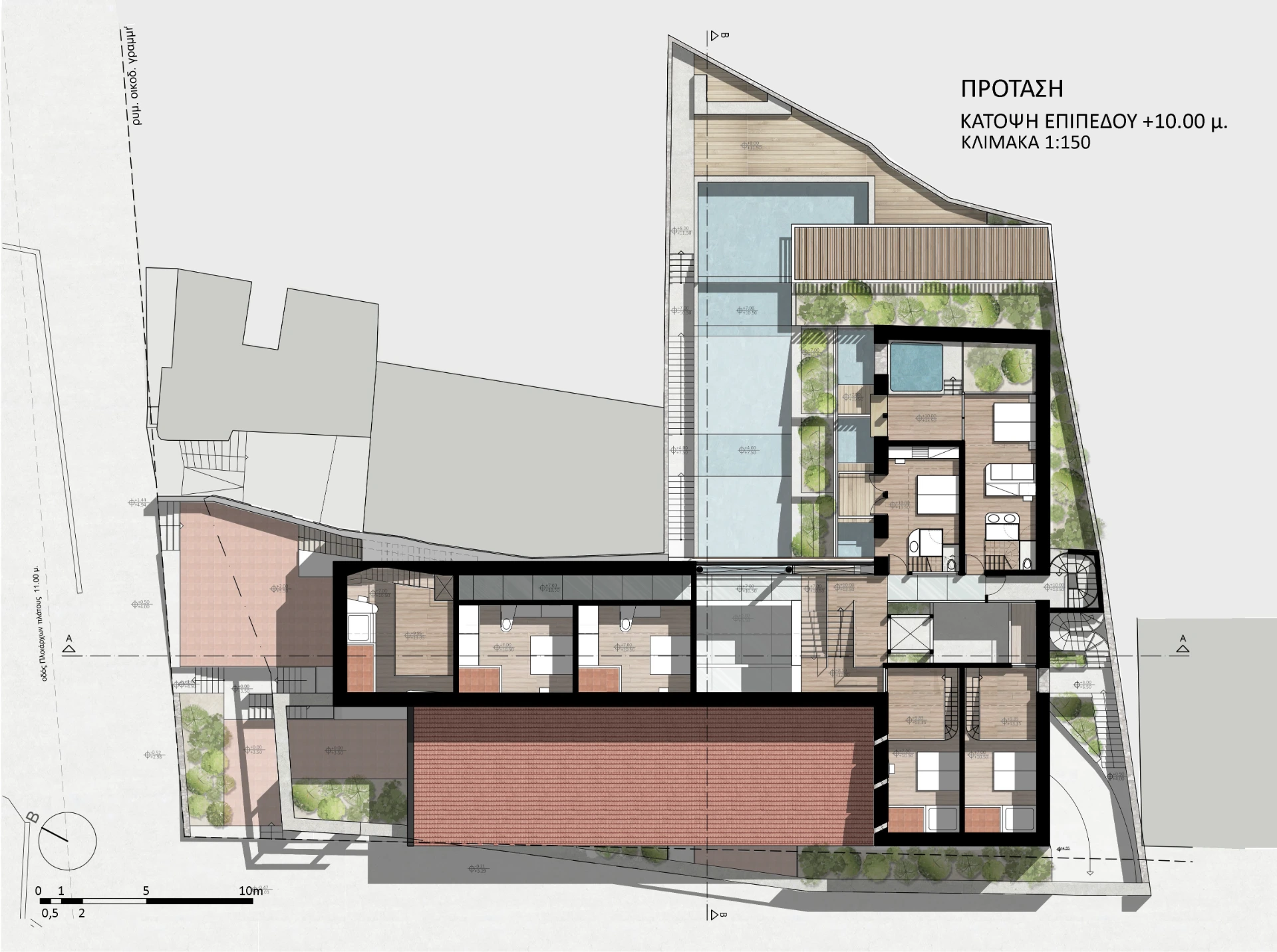
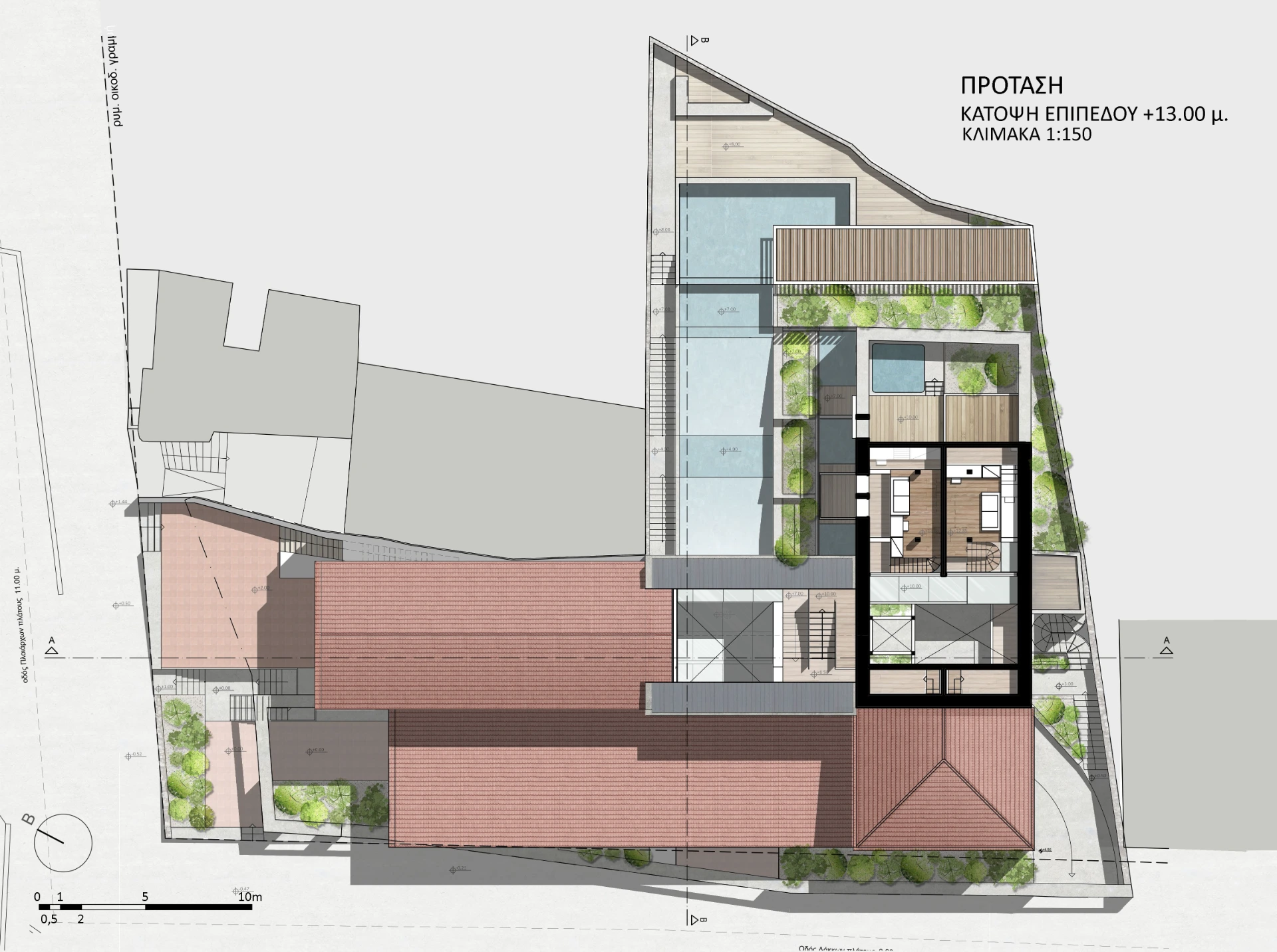
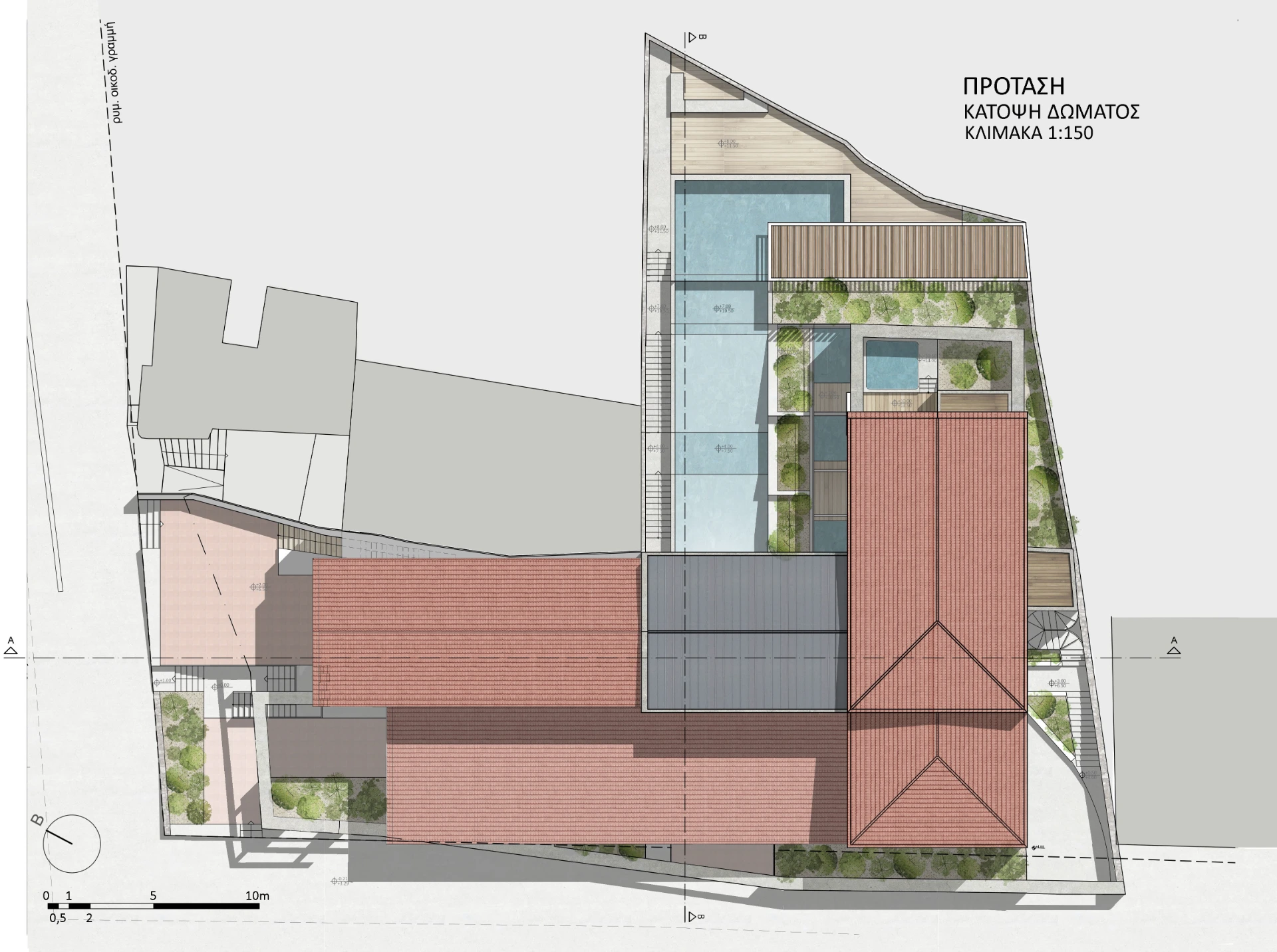
Seafront Building for Sale in Tampakaria. This unique property is situated in a region with strong historical heritage and unique identity within the city. The property covers approximately 1,000 sq.m. is available for sale, with fully permitted plans for redevelopment into a boutique hospitality project, featuring 19 suites and a swimming pool.
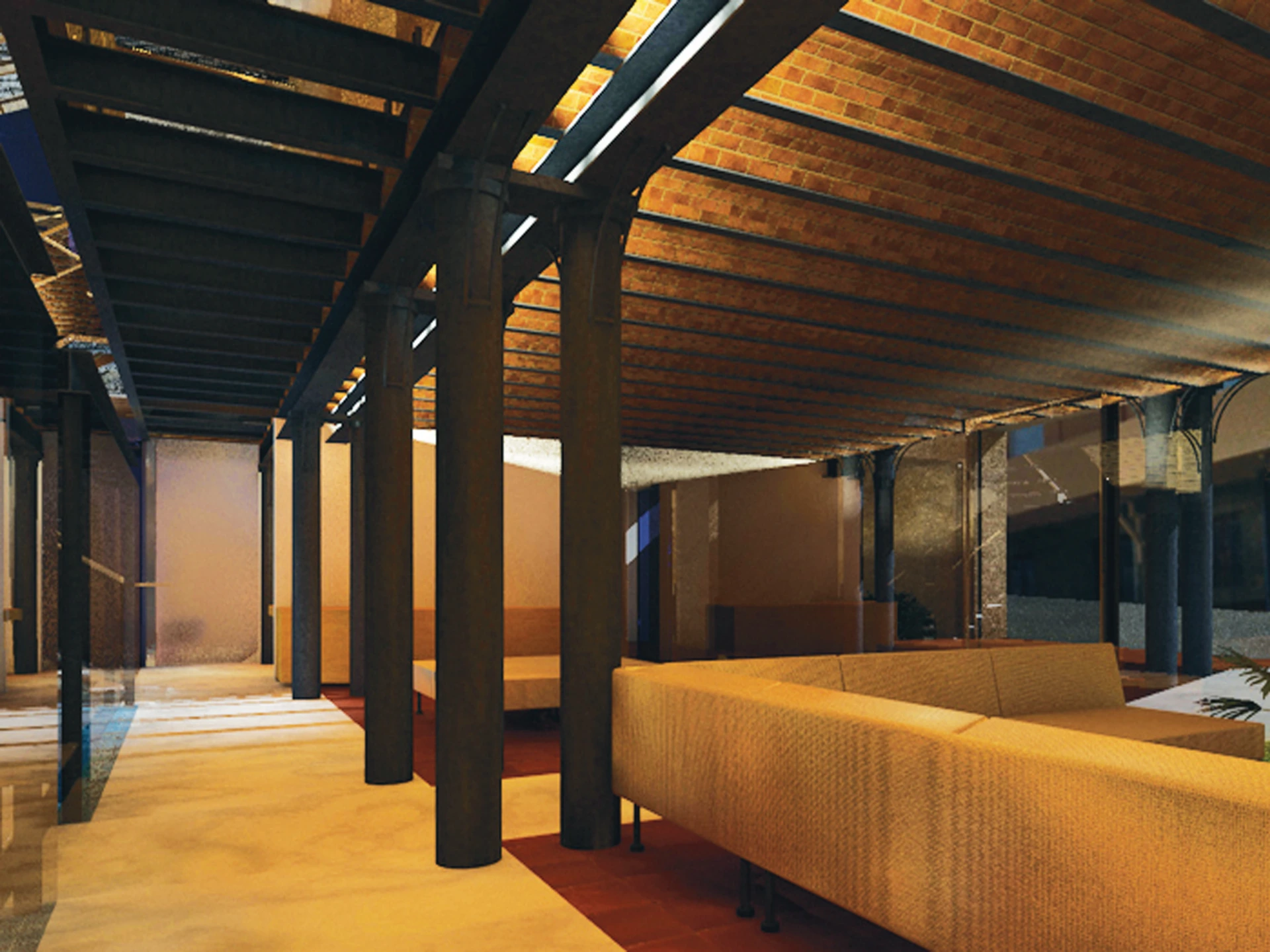
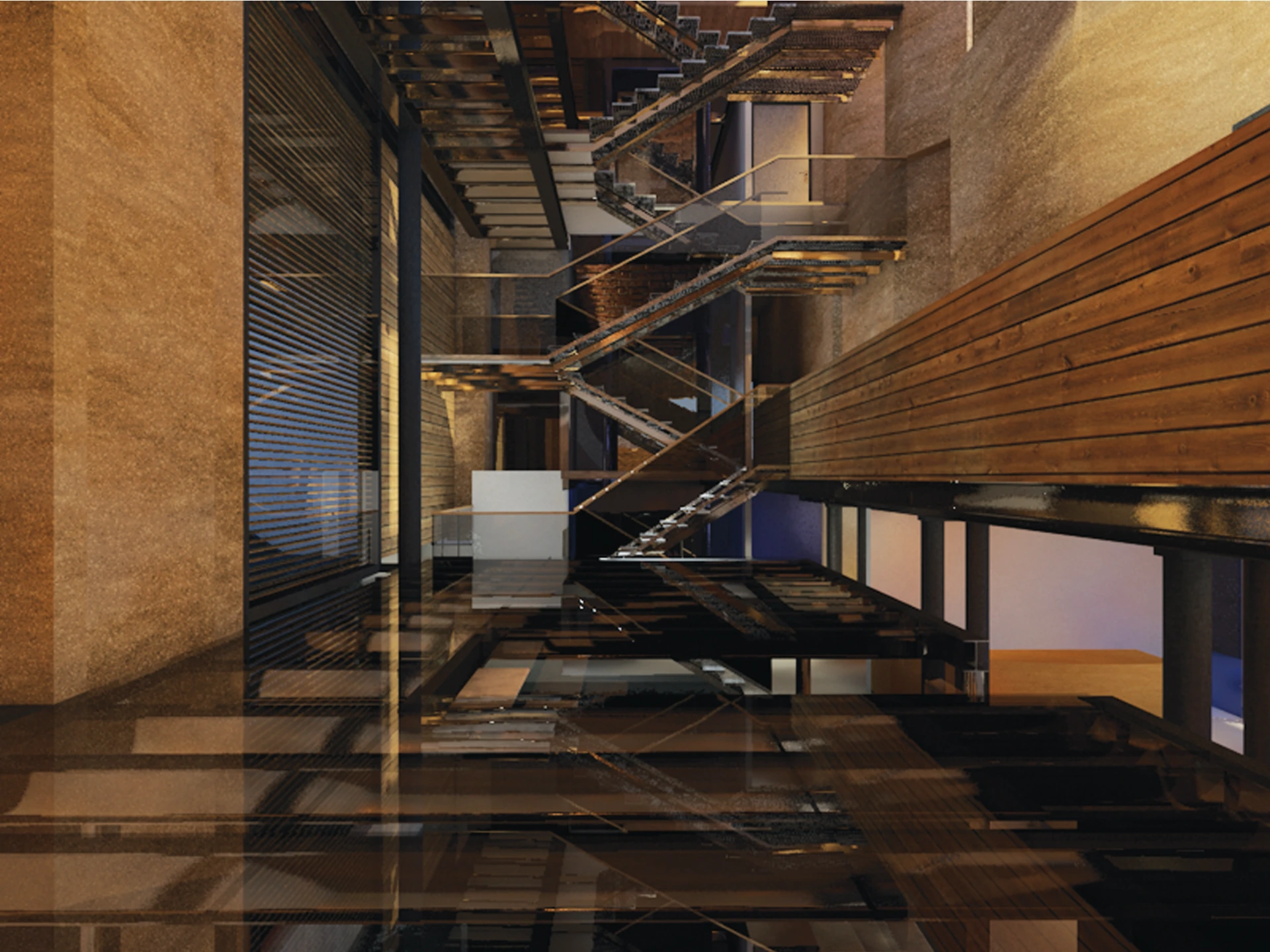
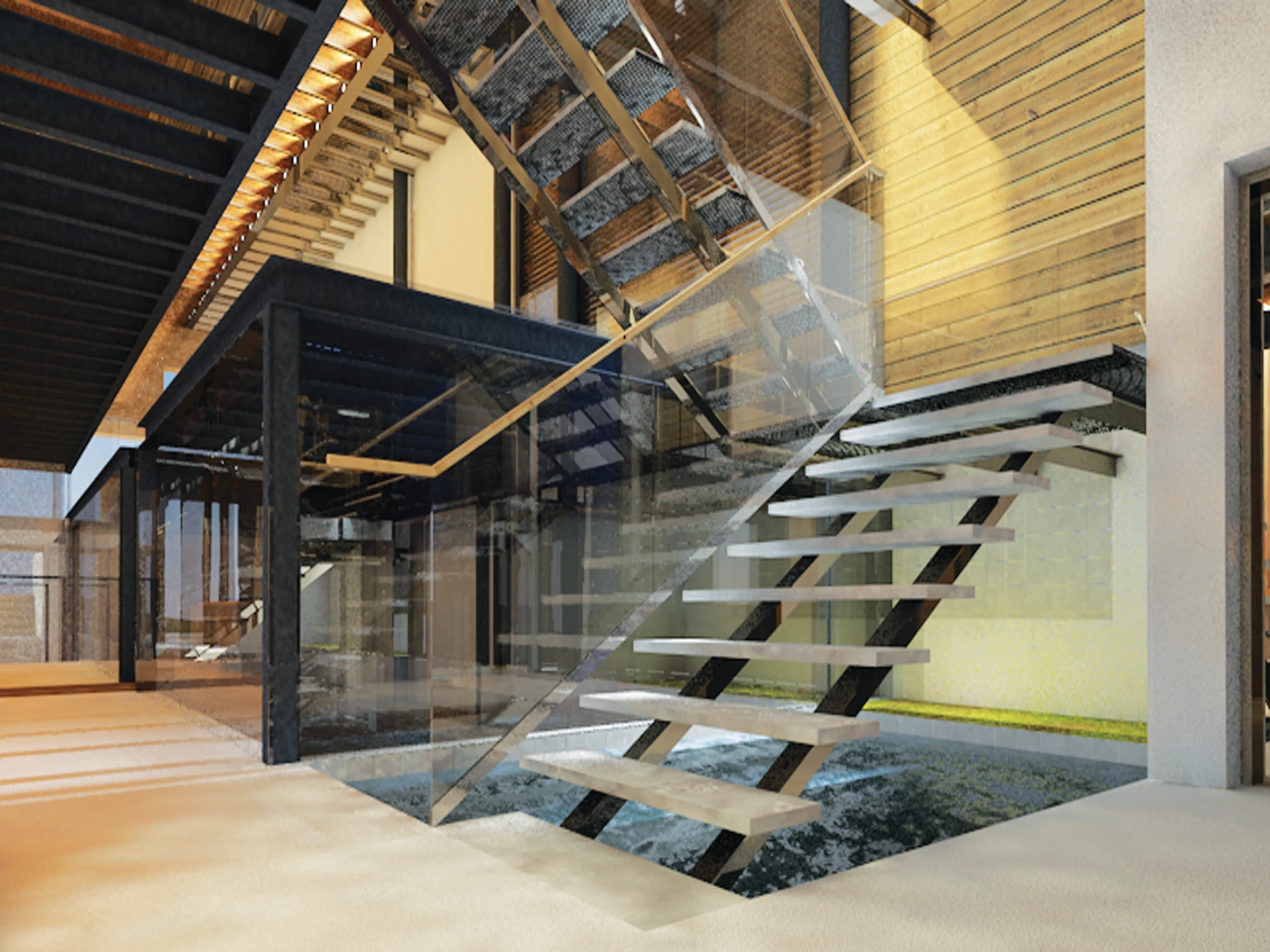
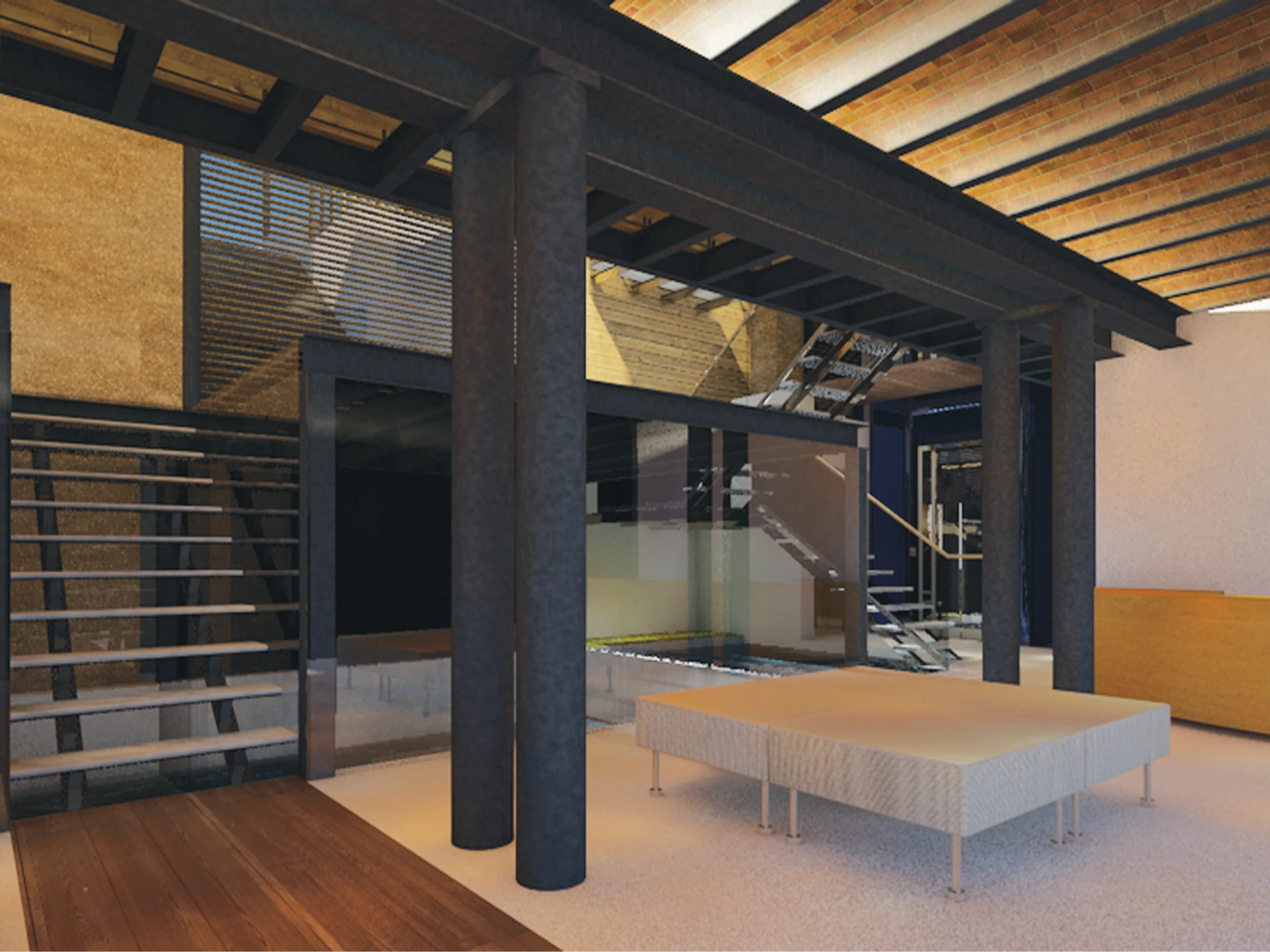
The design respects the original structure and follows the natural layout of the area, preserving the identity and atmosphere of the surroundings. The building has been designed in multiple levels. The lower floors feature the main shared spaces, including the reception area, lounge areas, a restaurant, and wellness facilities, all connected through courtyards and open-air passages. A parking is also provided at the basement level for up to 12 vehicles.
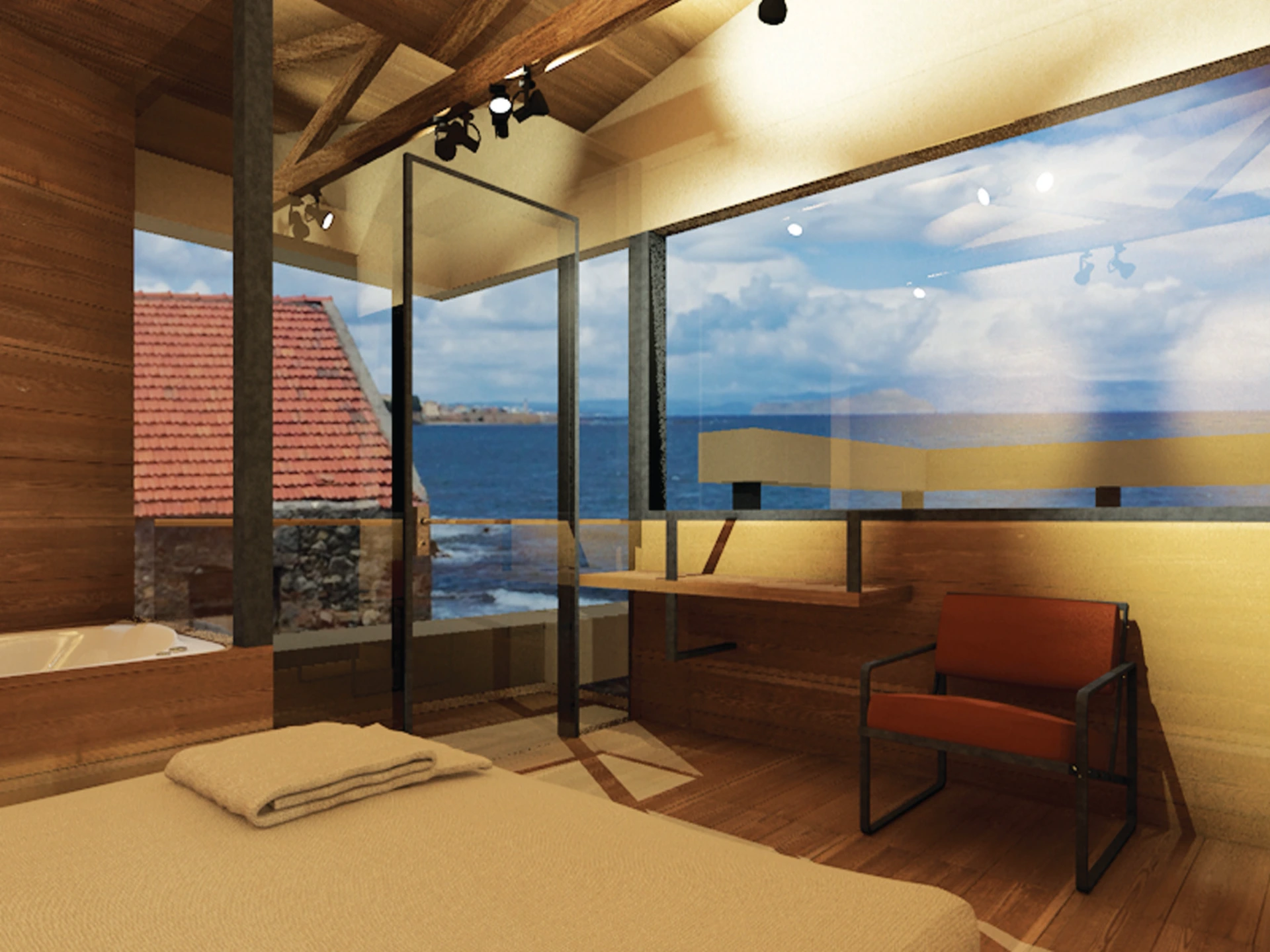
The upper floors host 19 suites, designed to offer comfort, privacy, and bright natural light. The overall layout allows for a smooth flow between indoor and outdoor spaces, creating a relaxed and functional living environment.
The outdoor areas take advantage of the natural slope of the plot, gradually leading to a swimming pool positioned at a higher point, offering unobstructed sunset views over the sea and creating a sense of calm within the urban setting.
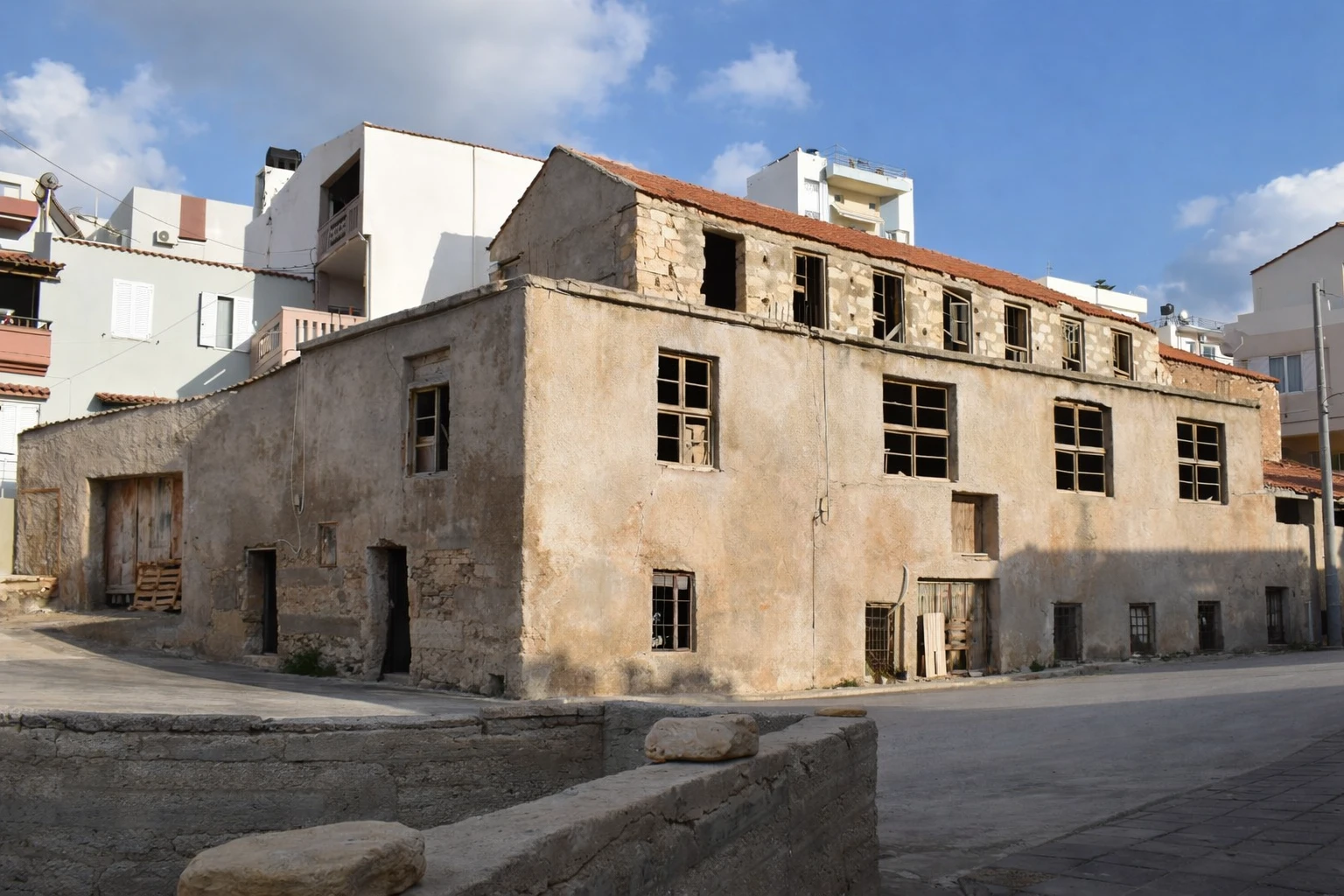
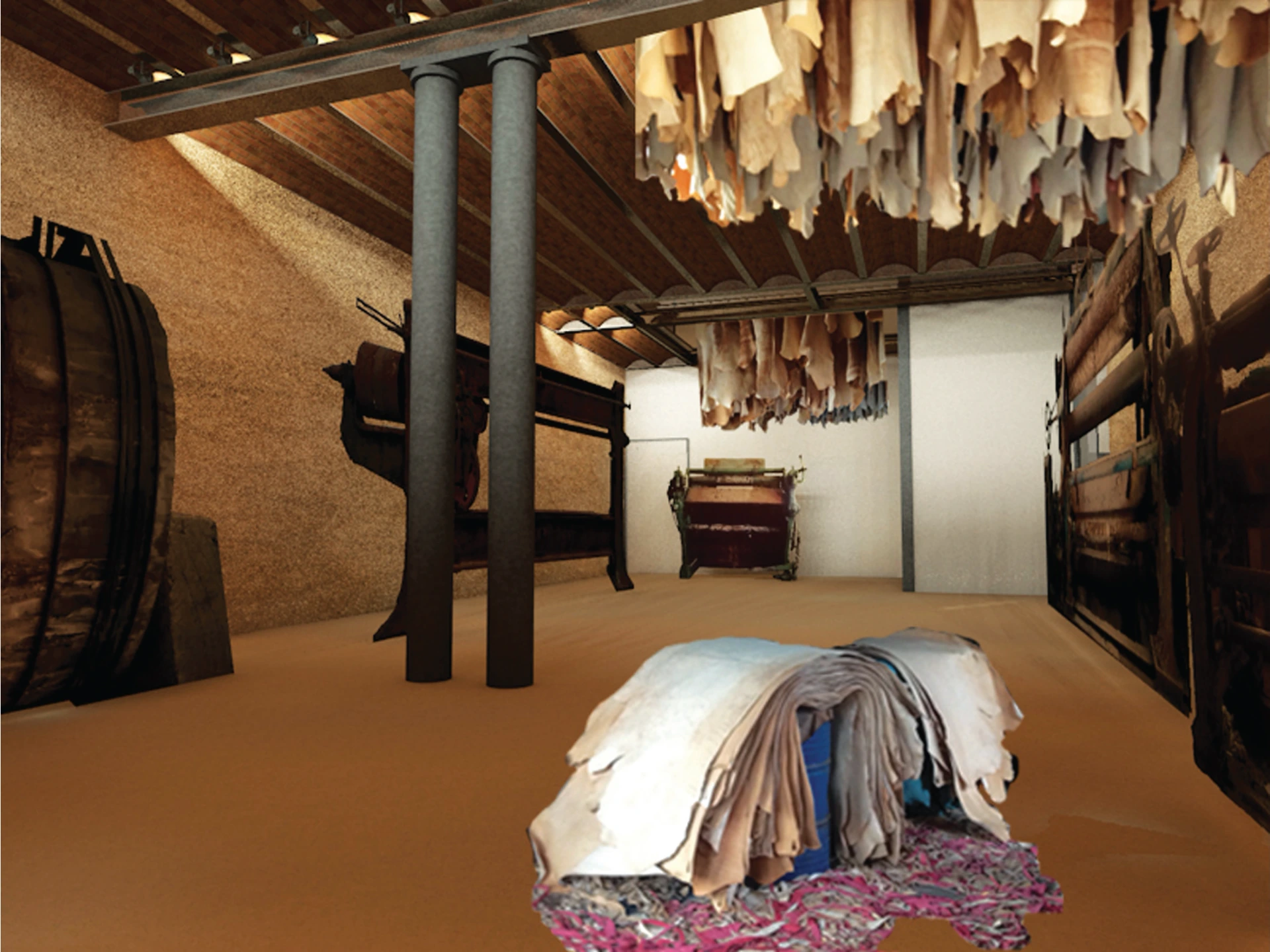
The use of stone, tiled roofs, and natural materials preserves the authentic character of the historic tannery complex, while selected original elements are retained, reinforcing the architectural identity of the project and enhancing its overall character.
This is a rare opportunity to develop a distinctive hospitality concept in a location that combines history, strong identity, and long-term investment value.
Seafront Building for Sale in Tampakaria. Location Information:
Tampakaria is a district that developed on the east rocky area of Chania, far away from the city walls, which was known during the 19th century for its tanneries. However, there is evidence for the existence of tanneries in the area from the 18th century. The leather manufactures established in this area since the Egyptian period (1830-40), according to an official Arabic document.
The area was ideal for the establishment of tanneries: it was near enough the city to attract customers, but also far enough, in a location with abundant underground brackish waters, next to the sea (which was very useful for the first stage of the leather manufacturing).
The tanneries of Tampakaria flourished between the 1st and the 2nd World War. During the German occupation the tanneries were closed. Later, the new post-war mechanical equipment replaced the old methods and brought innovations in the leather industry that increased profits. An important amount of profits came from leather exportations. The decadence of Tampakaria started in the 70s and today only one tenth of the tanneries are still in business. The remains of the old tanneries are monuments of industrial archaeology.
Many of the old tanneries are today abandoned and ruined, some are preserved and have a different use, and some are still in business. The only thing that remained intact is their architecture. Adjusted to the natural landscape, the tanneries have a ground floor by the front street entrance and two or three floors by the seaside. They are stone-built and have a tiled roof. The tanneries, built in a row, characterize this district of unique architecture.
Read More